
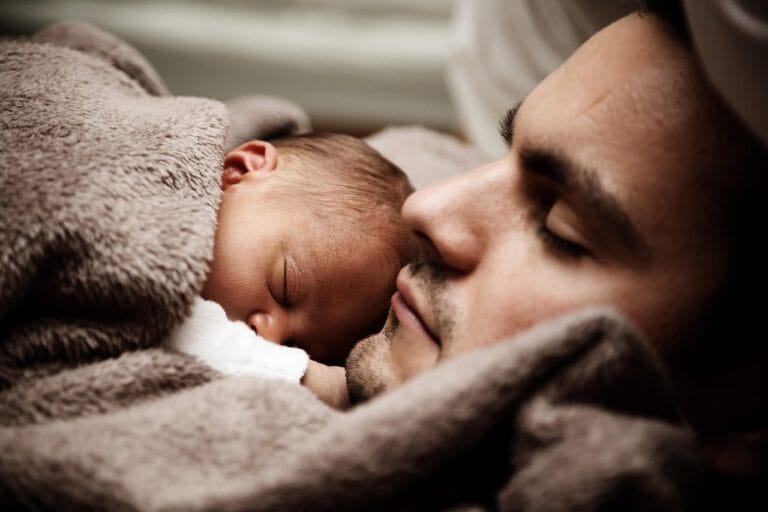
Postpartum depression is traditionally associated with mothers. However, research shows that men can also experience a depressive episode after the birth of their child.
For fathers, the postpartum period brings a major transition: changes in the relationship, new responsibilities, sleep deprivation, and a reconfiguration of personal identity.
Understanding postpartum depression in men is essential for the emotional health of the entire family.
How Does Postpartum Depression Manifest in Men?
Symptoms of postpartum depression in men can be subtle at first and may look different from person to person. Some of the most common signs include:
- persistent sadness, irritability, or a sense of emptiness
- loss of interest in usual activities
- insomnia or excessive sleep
- changes in appetite and weight
- severe fatigue
- difficulty concentrating or making decisions
- social withdrawal
- feelings of worthlessness, guilt, or suicidal thoughts
For many men, depression does not appear as “classic sadness,” but rather as anger, agitation, irritability, overworking, increased alcohol use, or avoidance behaviors. Because of this, it often goes undiagnosed, hidden behind explanations like: “that’s just how he is,” “he gets irritated over everything lately,” or “he’s just tired from work.”
Why Does Postpartum Depression Occur in Men?
There is no single cause. Instead, a combination of biological, psychological, and relational factors contributes to its development.
1. Changes in Relationship Dynamics
After the baby arrives, life changes abruptly for both partners. Intimacy temporarily decreases, needs shift, time becomes limited, and communication may feel more strained due to constant fatigue and stress. These changes put pressure on the relationship and can amplify emotional vulnerabilities.
2. Physical Exhaustion and Sleep Deprivation
Sleep deprivation has a direct impact on emotional stability. When nights are short and interrupted, patience decreases, irritability increases, and managing daily stress becomes more difficult. During such periods, emotional reactions are more intense and triggered more easily.
3. Pressure of the “Provider” Role
Many men grow up with the belief that they must be the strong one—the person who doesn’t waver and doesn’t show vulnerability. This internal pressure often makes it difficult to express real emotions and can push men to hide what they truly feel.
4. Hormonal Changes in Men
Men also experience hormonal changes after the arrival of a baby. Testosterone levels may decrease, while cortisol (the stress hormone) may increase, affecting energy, patience, and emotional balance.
5. Personal History of Anxiety or Depression
If anxiety, depression, or emotional difficulties were present before the baby’s arrival, the postpartum period can become even more challenging. The transition becomes more intense, and managing changes may require additional support.
What Helps in Postpartum Depression in Men?
Postpartum depression is treatable, and recovery is possible. With the right support, most men can regain their emotional balance. Some of the most effective forms of help include:
• Individual Therapy
Helps clarify emotions, understand reactions arising during this period, and develop healthy ways of managing stress and change.
• Couples Therapy
Useful when emotional distance or communication difficulties appear after the baby’s arrival. It supports reconnection and adjustment of roles within the relationship.
• Antidepressant Medication
May be necessary in moderate or severe cases. It should be prescribed only by a psychiatrist and can make a meaningful difference in stabilizing mood.
• Genuine Social Support
Close relationships, friends, and family can reduce feelings of loneliness and offer a safe space to share emotions.
Seeking help is not a sign of weakness. It is an act of maturity and care—for yourself, your child, and your relationship.
When Should You Seek Help?
Professional intervention is recommended if:
- symptoms last more than two weeks
- emotions become difficult to manage
- ongoing tension appears in the relationship
- bonding with the baby feels difficult
- thoughts of self-harm or suicide arise
Do not wait for it to “pass on its own.” The earlier depression is addressed, the smoother and more effective the recovery will be.
Conclusion
Postpartum depression in men is real, common, and completely treatable. It does not reflect a lack of strength, but rather a period of intense emotional adjustment. With the right support, every father can regain his balance and inner resources.
If you feel you need support, it’s absolutely okay to reach out. You don’t have to navigate this experience alone.


